Where We Are
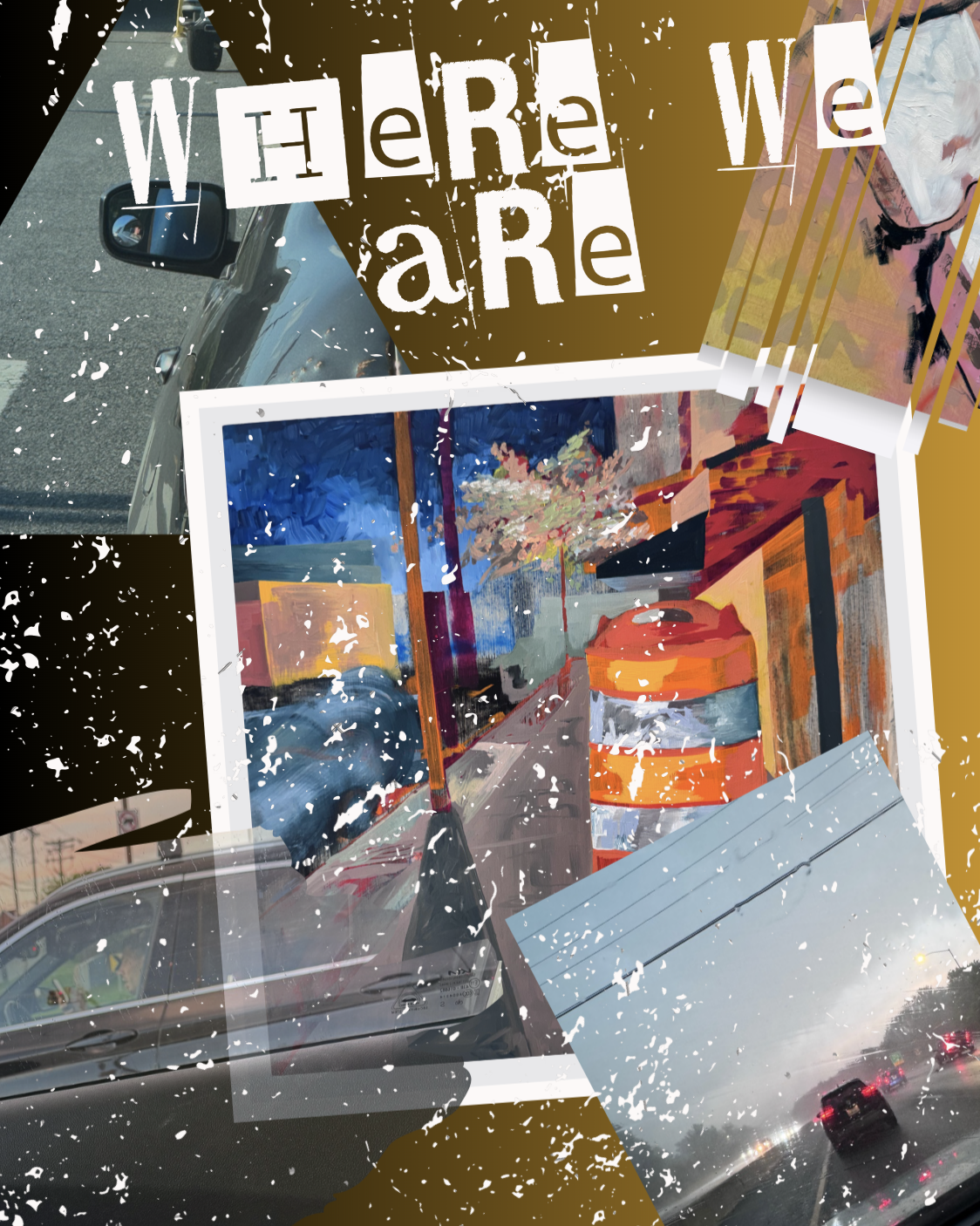
Stepping onto a tree-lined street dappled with sunlight streaming in through leaves while people meander around is a much different experience from entering a sidewalk to frantic honking, average speeds faster than humans can run and the heat and stench from exhausts.
As we catapult into a massive global heating event it’s becoming evident how important trees, green canopies, and ecological diversity is for our collective well-being. Unpaving steets and sidewalks to allow for permeable surfaces will be a reason cities thrive in the future. Multi-modal transporation policies are good to help reduce traffic congestion, invite people into an active lifestyle, helping to foster physical well-being, lessening smog, and overall, increasing longevity. Not to mention the import of regularly interacting with people from different walks of life as you go about your day-to-day activities.
Our cars create physical barriers that don’t allow for everyday interpersonal communication, unique to public commutes. Not to mention, rising blood pressure, road rage and general frustration that is common for drivers on their daily drives- I posit that some of our social ills are caused from the isolation, entitlement and lack of patience that cars promote. As I see more and more drivers speed in and out of busy traffic, flinging themselves from three lanes deep to an upcoming exit, or see someone screaming in earnest because they felt wronged, to trucks and SUVs getting larger and larger, I can’t help but connect the rugged individualism at the expense of all else, to cars and our fierce policies that protect this incredibly expensive transportation model.
Once we begin to actively question the built environment around us, what we consider to be normal, and how those norms are regulated, budgeted and enforced- we can begin considering how to move toward our future that is not fosters more pleasant areas to exist and live in, but is better for the environment, the water tables, our mental health and social well-being in general.